
TOCOPHEROL; vitamin E (anti oxidant)
Tocopherol, commonly known as Vitamin E, is a fat-soluble antioxidant used in cosmetics to protect both the skin and the formulation itself. It’s naturally found in vegetable oils, nuts, and green leafy vegetables, and is often added to skincare products for its anti-aging, moisturizing, and protective properties.
🌿 Key Benefits of Tocopherol (Vitamin E):
Function
What It Does
Antioxidant
Neutralizes free radicals, helping prevent premature aging and UV damage
Skin Conditioning
Improves hydration, elasticity, and smoothness
Barrier Support
Strengthens the lipid barrier, reducing transepidermal water loss (TEWL)
Oil Stabilizer
Prevents oxidation of oils in the formula, extending shelf life
Soothing Agent
Calms inflammation and irritation, especially in sensitive or dry skin
🧴 Where You’ll Find It:
Moisturizers, serums & eye creams
Sunscreens & after-sun care
Lip balms, foundations & BB creams
Hair oils, conditioners & scalp treatments
🛠️ Formulation Notes:
Oil-soluble; added to the oil phase
Typical usage: 0.1–1% as an antioxidant; 2–5% for skin benefits
Best added in the cool-down phase to preserve potency
Often used in natural and clean beauty products (COSMOS-approved)
✅ Natural vs. Synthetic Forms:
Form
Label
Notes
Natural
d-α-Tocopherol
Most bioavailable; derived from plant oils
Synthetic
dl-α-Tocopherol
Less bioavailable; more stable and cost-effective
Mixed Tocopherols
α, β, γ, δ isomers
Offers broad antioxidant protection for both skin and oils
⚠️ Important Notes:
Not a preservative: Tocopherol prevents oxidation, but not microbial growth
Non-comedogenic (rating 0–2), but high concentrations may not suit very oily skin
Safe for all skin types, including during pregnancy
Showing 1–12 of 228 results
-
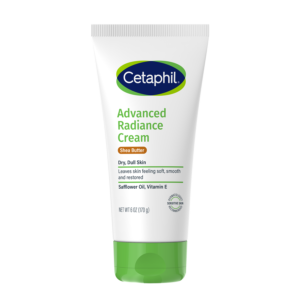
Advanced Radiance Cream
Read more -
AM Facial Moisturizing Lotion SPF 50
Read more -
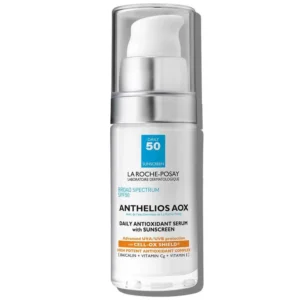
Anthelios AOX Antioxidant Serum with SPF 50 Sunscreen
Read more -
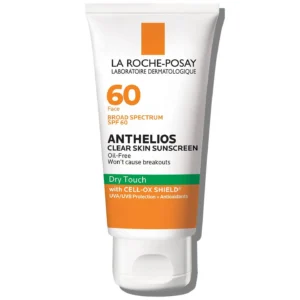
Anthelios Clear Skin Oil Free Sunscreen SPF 60
Read more -
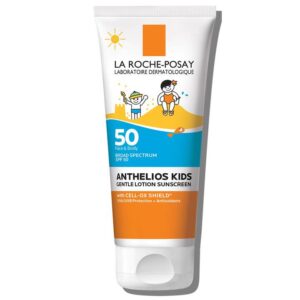
Anthelios Gentle Lotion Kids Sunscreen SPF 50
Read more -
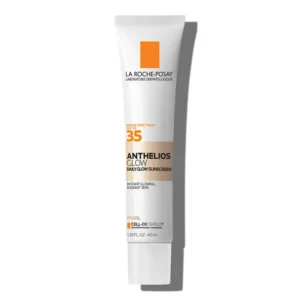
Anthelios Glow Face Sunscreen SPF 35
Read more -
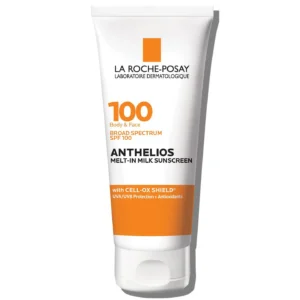
Anthelios Melt-In Milk Sunscreen for Face & Body SPF 100
Read more -
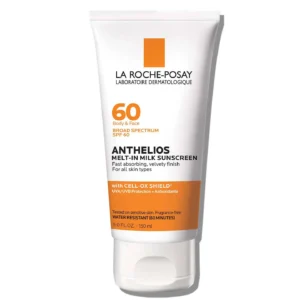
Anthelios Melt-In Milk Sunscreen SPF 60
Read more -
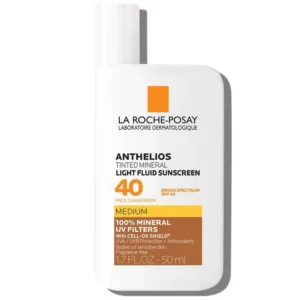
Anthelios Mineral Tinted Sunscreen for Face with SPF
Read more -
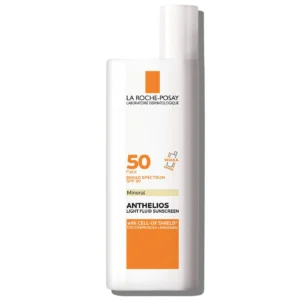
Anthelios Mineral Zinc Oxide Sunscreen SPF 50
Read more -
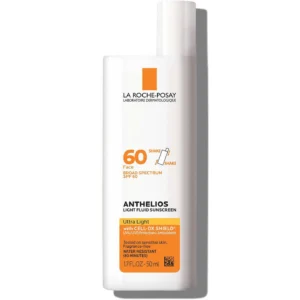
Anthelios Ultra Light Fluid Facial Sunscreen SPF 60
Read more -
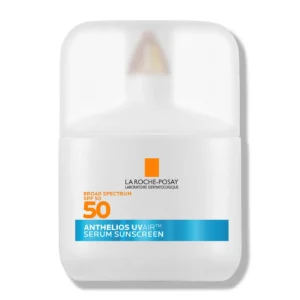
Anthelios UV Air SPF 50 Serum Sunscreen
Read more